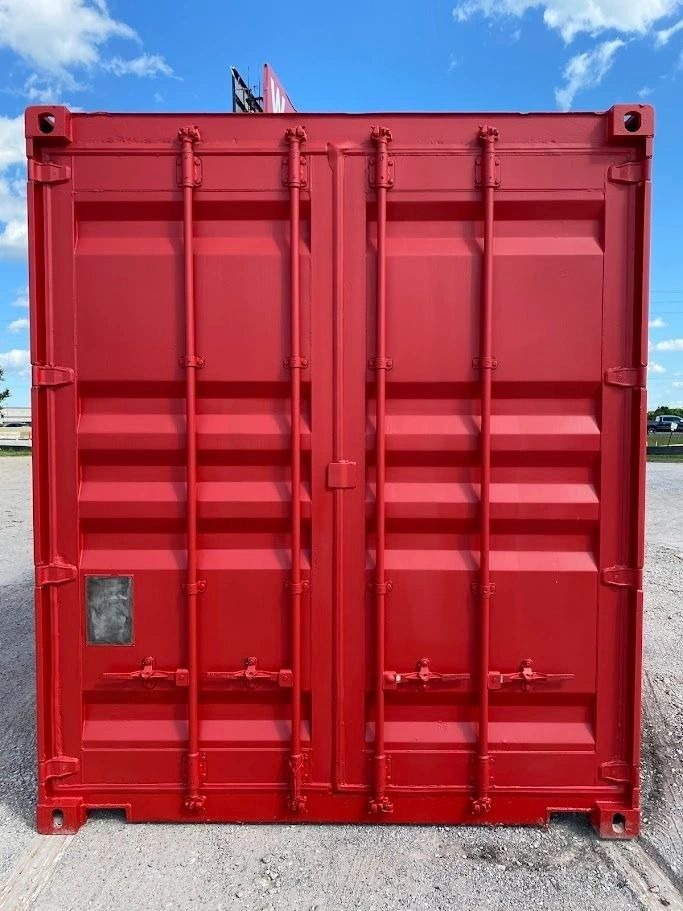
Understanding 45ft Container Dimensions: The Complete Guide
Shipping containers have ended up being an important component of international trade, making it vital to comprehend their dimensions and specifications. Among the numerous sizes available, the 45-foot container is one of the most popular, offering both capability and versatility. This article will dig into the dimensions and characteristics of 45ft containers, supplying useful tables and FAQs to clarify any queries.
Dimensions of a 45ft Container
Before talking about the complexities of 45ft containers, let's look at the general dimensions related to them. Typically, 45-foot containers come in 2 basic types: 45ft General Purpose and 45ft High Cube. Below are their dimensions:
Table 1: Dimensions of 45ft Containers
| Category | Length (ft) | Width (ft) | Height (ft) | Volume (CBM) | Tare Weight (pounds) | Max Payload (pounds) | Max Gross Weight (pounds) |
|---|---|---|---|---|---|---|---|
| 45ft General Purpose | 45 | 8 | 8.6 | 85 | 8,834 | 59,400 | 68,000 |
| 45ft High Cube | 45 | 8 | 9.6 | 86.1 | 9,300 | 59,000 | 68,000 |
Notes:
- CBM means cubic meters.
- Tare weight describes the weight of the container itself with no cargo.
- Max payload represents the maximum weight of cargo that can be filled into the container.
- Max gross weight consists of the combined weight of the container and its cargo.
Breakdown of Dimensions
- Length: 45ft (13.72 m)
The length of 45ft containers makes them appropriate for shipping larger items, bulk products, or a higher volume of products than smaller containers. - Width: 8ft (2.44 m)
This basic width ensures compatibility with numerous transport methods, consisting of trucks and ships. - Height: Ranges from 8.6 ft to 9.6 ft
The High Cube variant offers an additional foot in height, enabling extra vertical space. This makes it more accommodating for large cargo, such as furniture or commercial devices.
Why Choose a 45ft Container?
When selecting a container size, several aspects come into play. Here are some benefits of going with a 45ft container:
List: Benefits of 45ft Containers
- Increased Capacity
With a bigger volume, these containers can store more items, minimizing shipping costs per unit. - Versatility
They can accommodate a range of cargo types, including pallets, equipment, and extra-large items. - Better Utilization of Shipping
When transporting products overseas, taking full advantage of container space can result in more efficient shipping operations. - Toughness
Containers are designed to withstand hard shipping conditions, ensuring cargo safety. - Relieve of Handling
The standard dimensions make them compatible with most dealing with equipment, assisting in simpler loading and unloading.
Applications of 45ft Containers
The flexibility of 45ft containers is apparent in numerous sectors. Here are some common usages:
List: Common Uses for 45ft Containers
- Business Freight
Ideal for retailers looking to ship large amounts of products. - Manufacturing
Suitable for carrying equipment and heavy equipment between production centers. - Short-term Storage
Used as onsite storage solutions for building projects or companies in requirement of extra area. - Event Logistics
Frequently utilized to carry materials for large events or festivals. - Export and Import
Popular amongst businesses participated in worldwide trade, as they can optimize shipping performance.
FAQs About 45ft Containers
Q1: What can fit inside a 45ft container?
A: A common 45ft container can hold around 85 cubic meters of cargo, which is approximately equivalent to 30 standard pallets or a mix of different items, including heavy equipment and bulk items.
Q2: Are 45ft containers readily available for sale or lease?
A: Yes, numerous shipping container suppliers offer 45ft containers for both purchase and rental. COG Containers varies by place and demand.
Q3: How much does a 45ft container weigh?
A: The tare weight is around 8,834 lbs for basic containers and around 9,300 lbs for high cube variants.
Q4: Can a 45ft container be shipped by rail?
A: Yes, 45ft containers can be carried by rail, offered the rail system works with the container size.
Q5: What are the key distinctions in between basic function and high cube containers?
A: The main distinction is height; high cube containers are 1 foot taller than general-purpose ones. This additional height supplies more vertical space for cargo, making high cubes more effective for items that need more headroom.
Understanding the dimensions and applications of 45ft containers makes it possible for services to make informed choices for shipping and storage requirements. Their versatility, combined with increased cargo capacity, makes them perfect for a range of applications in different markets. With the details presented in this post, businesses and people can better assess their shipping requirements and choose that enhance efficiency and cost-effectiveness.